Shop, back office & systems for a new business · 2025–2026
ARWENN
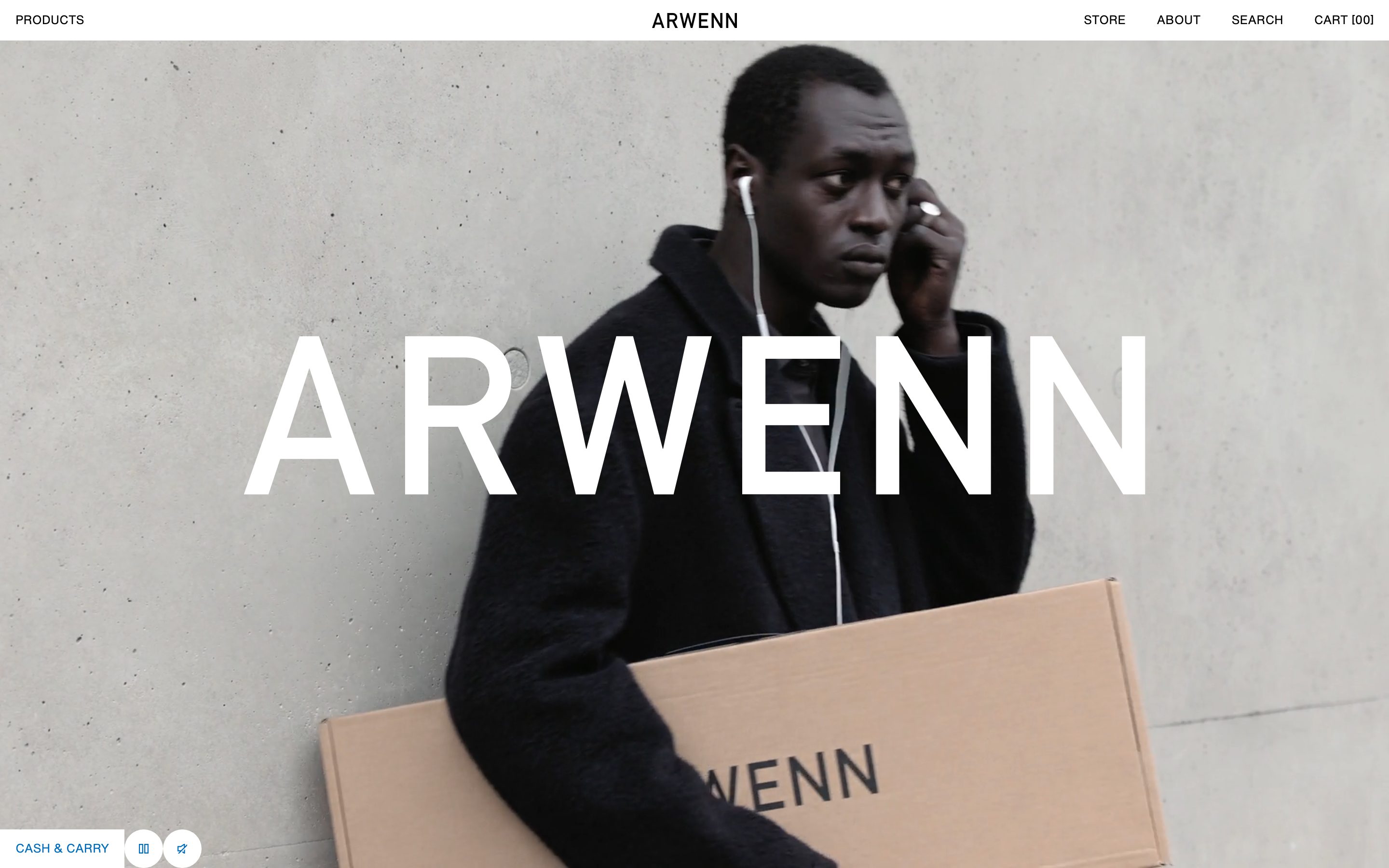
ARWENN opened in Berlin in October 2026 as a new business: contemporary furniture, lighting and accessories, cash & carry. There was no shop, no point of sale and no back office before, so we built the technical infrastructure from the ground up, a year ahead of the opening, to carry it. The storefront, designed by the studio Wiegand von Hartmann and implemented together with Konstantin Haubrok, is a Hydrogen application on Shopify. Behind it sits a back office of our own that connects every system the business runs on: Shopify, the Locafox point of sale and the books, with B2B, supplier orders and stock keeping, invoicing, DATEV preparation, back-in-stock alerts and sales statistics in one place.
- Client
- ARWENN GmbH, Berlin
- Our role
- The technical infrastructure from the ground up: storefront with Konstantin Haubrok, back office and integrations as our own work
- Year
- 2025–2026
- Live
- arwenn.com ↗
How it was realised
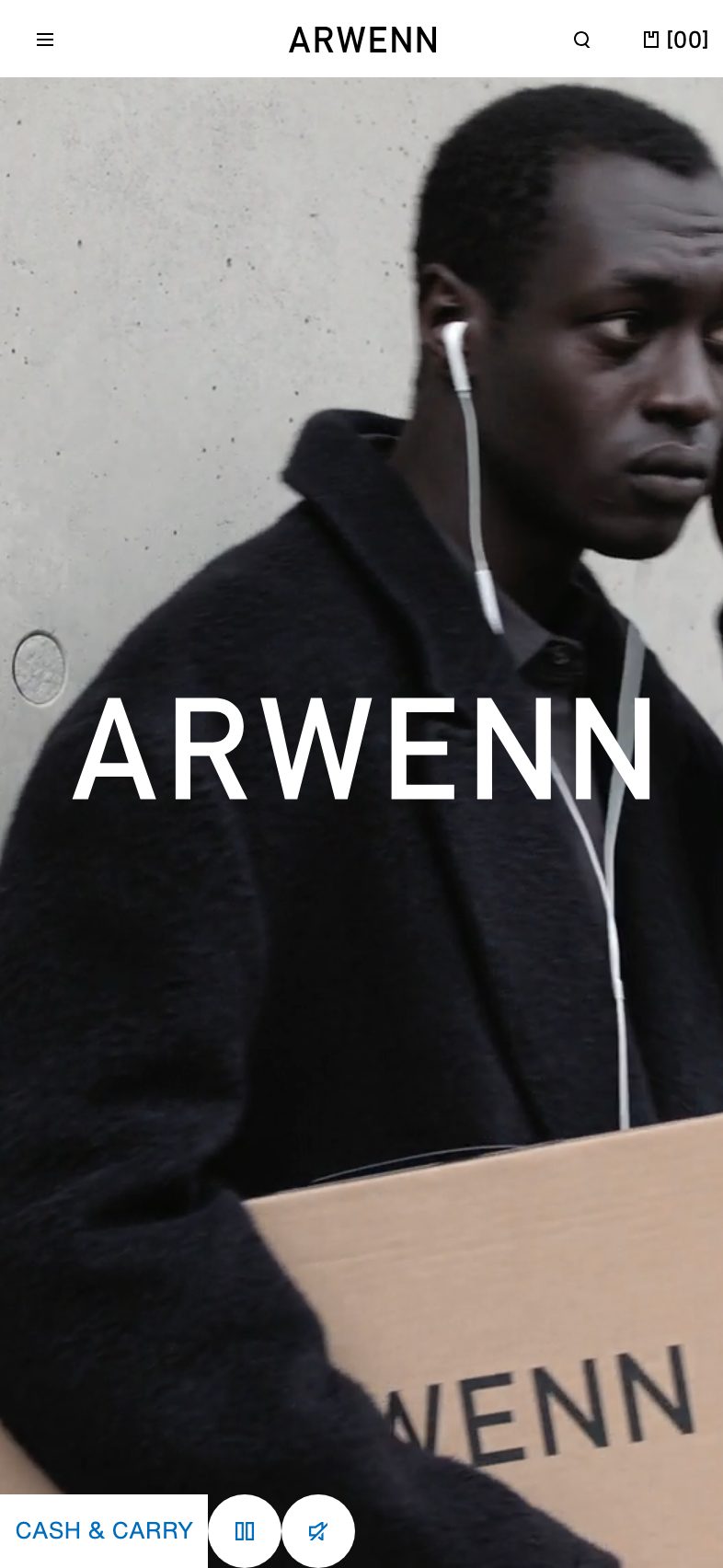
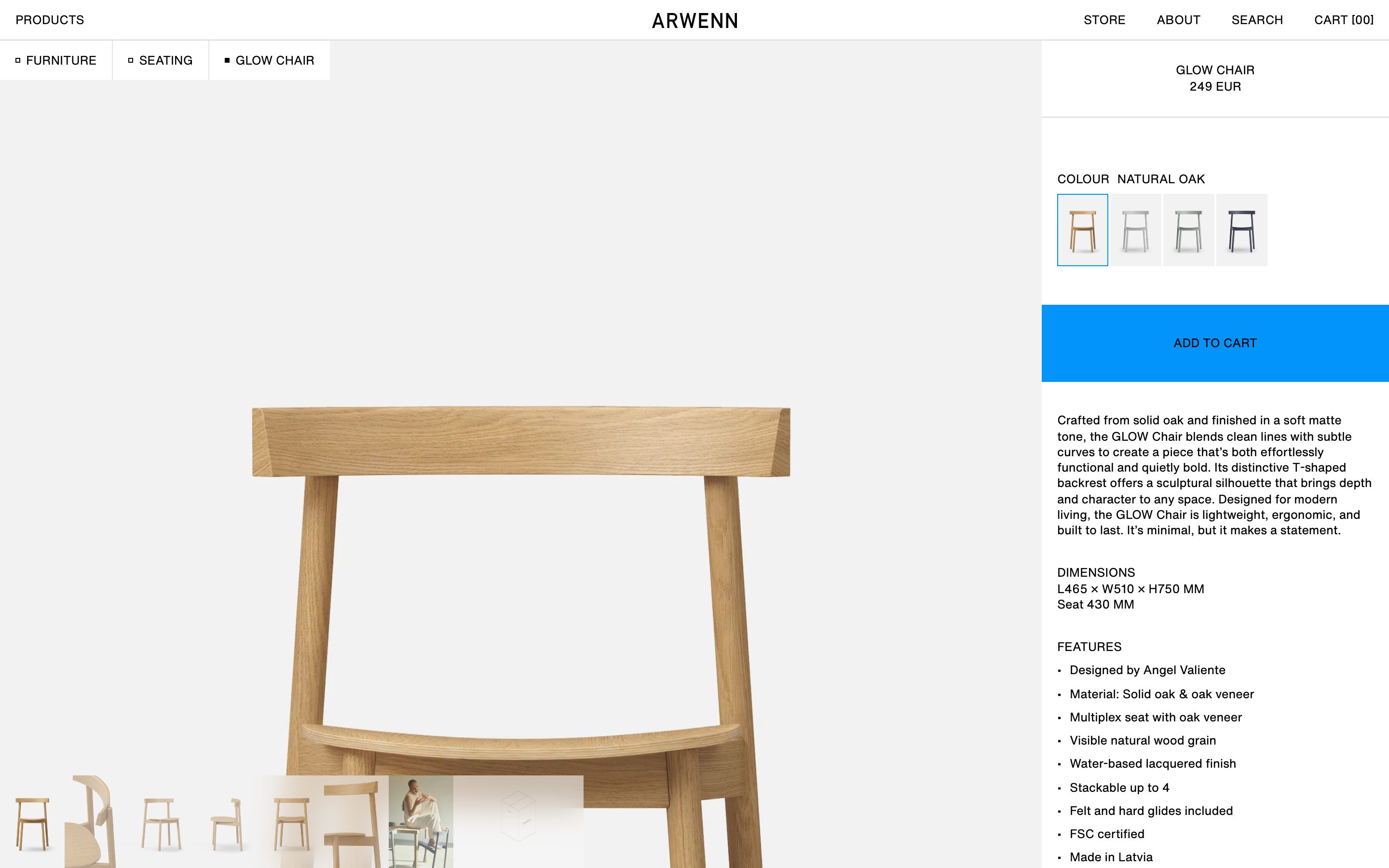
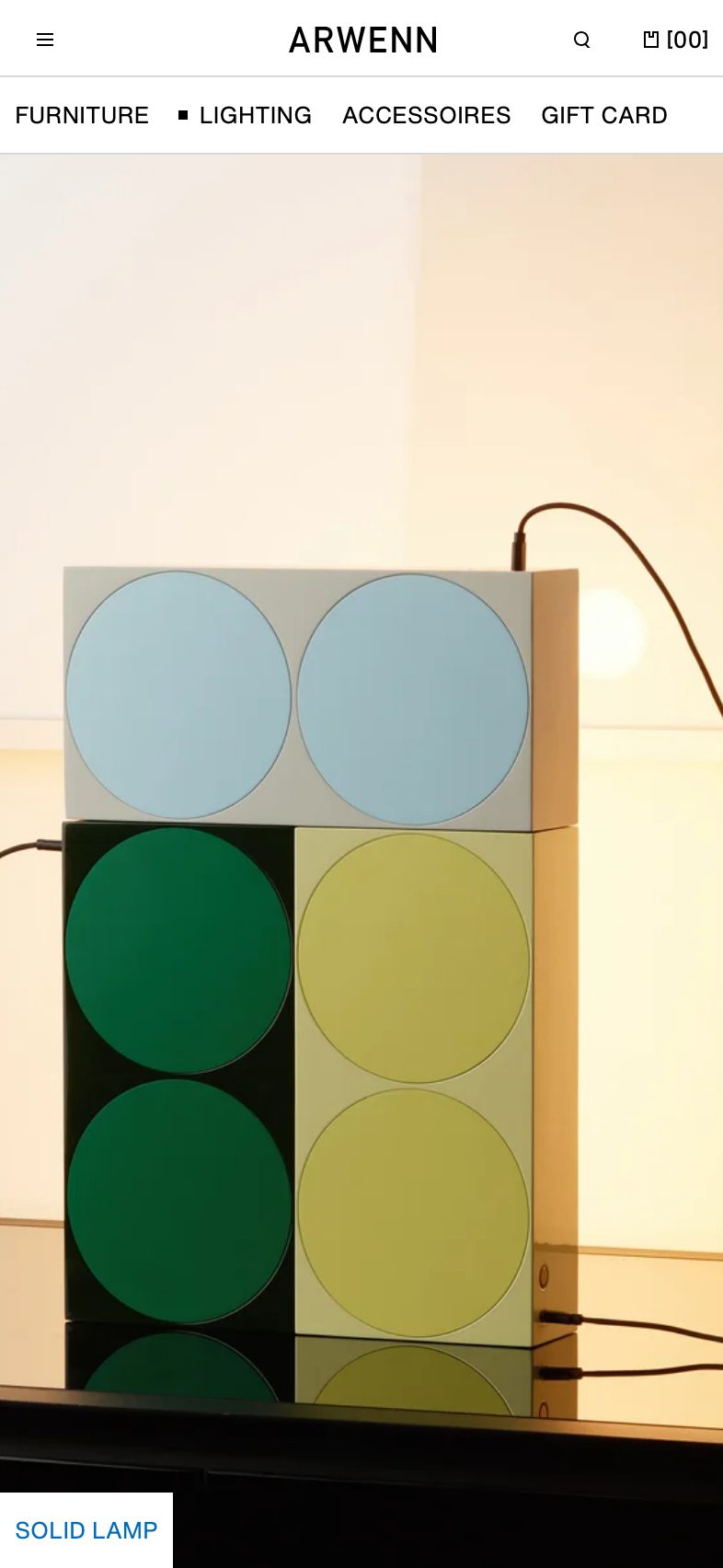
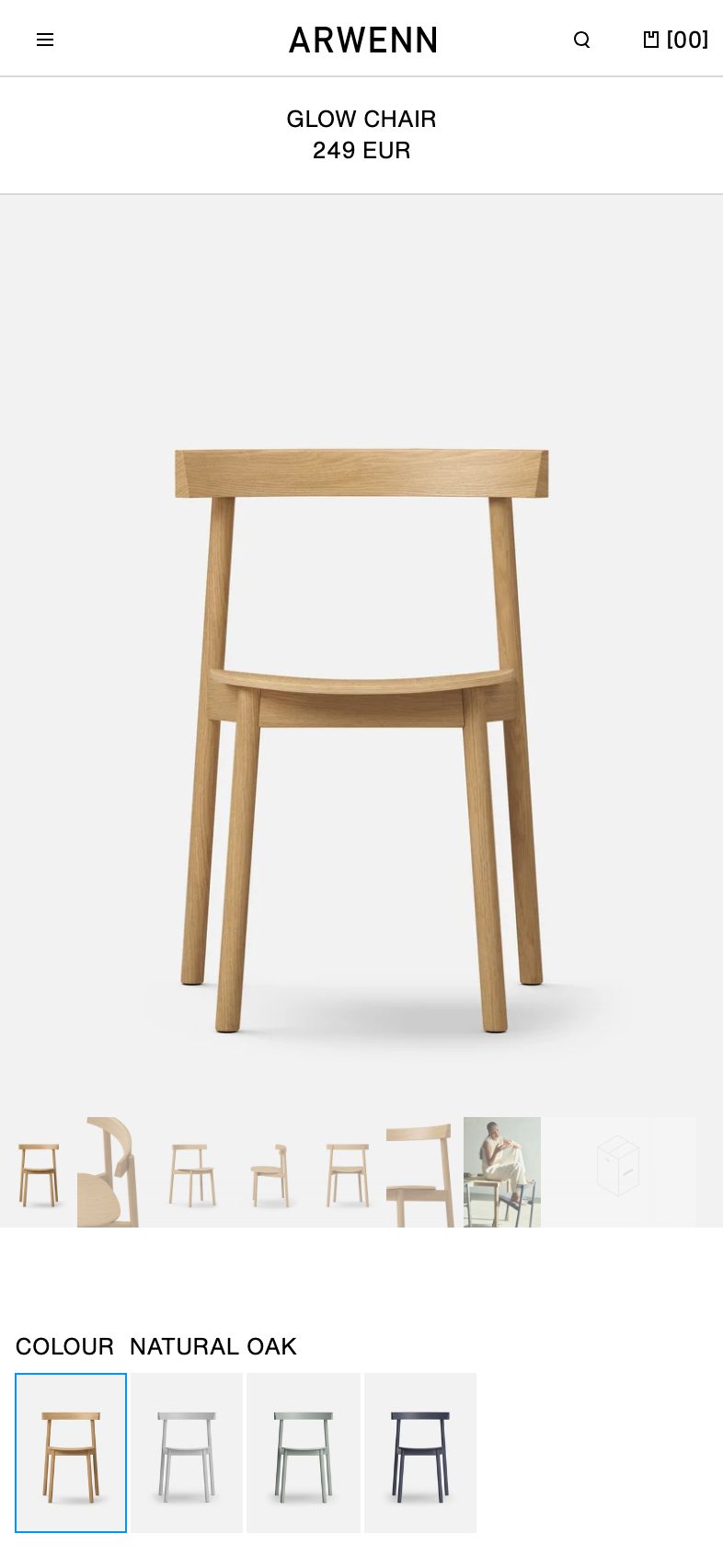
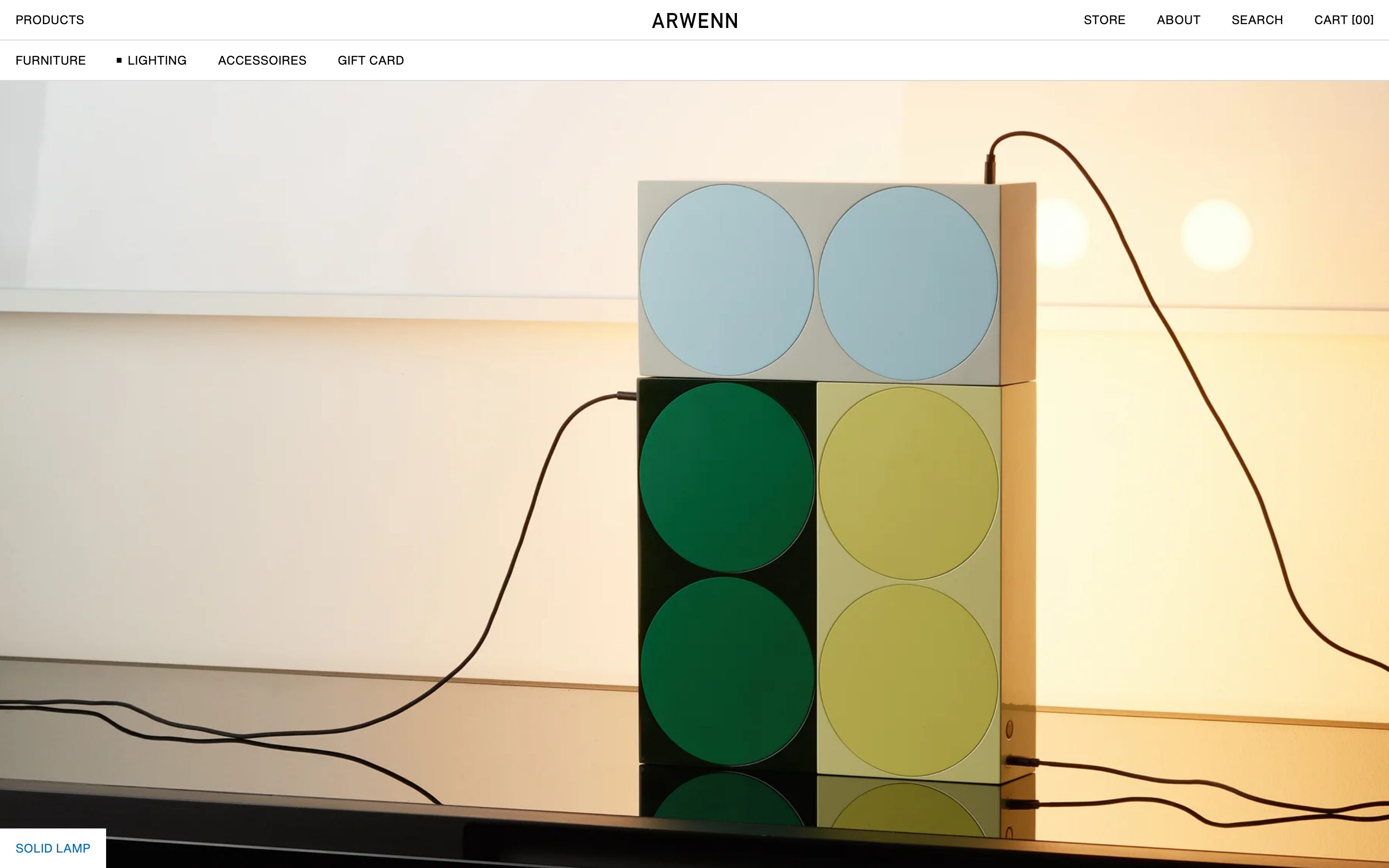
The storefront is React Router 7 on Shopify Hydrogen, deployed to Shopify's edge network and typed end to end with GraphQL code generation. Wiegand von Hartmann's design, full-bleed and quiet, is carried through pixel by pixel; collections, variants and the cash-and-carry logic are tailored to a showroom that sells what is standing on the floor. Editorial content comes from Sanity, transactional mail goes out through Mailgun in the EU, and back-in-stock notices with double opt-in come from our own Laravel back office, like everything else behind the storefront.
The back office at admin.arwenn.com is a Laravel application of our own. It mirrors products, variants, collections and locations from Shopify, groups them into product families and pushes them to the Locafox point of sale, matched by a stable Shopify ID rather than the SKU, so renames and collisions never create duplicates.
Sales from the web shop and the till land in one ledger with numbered, locked documents: invoices and credit notes as PDF and as ZUGFeRD e-invoices, a journal export and the DATEV export that the accountant imports without re-typing. Sales statistics show what sells where, online and in the store.
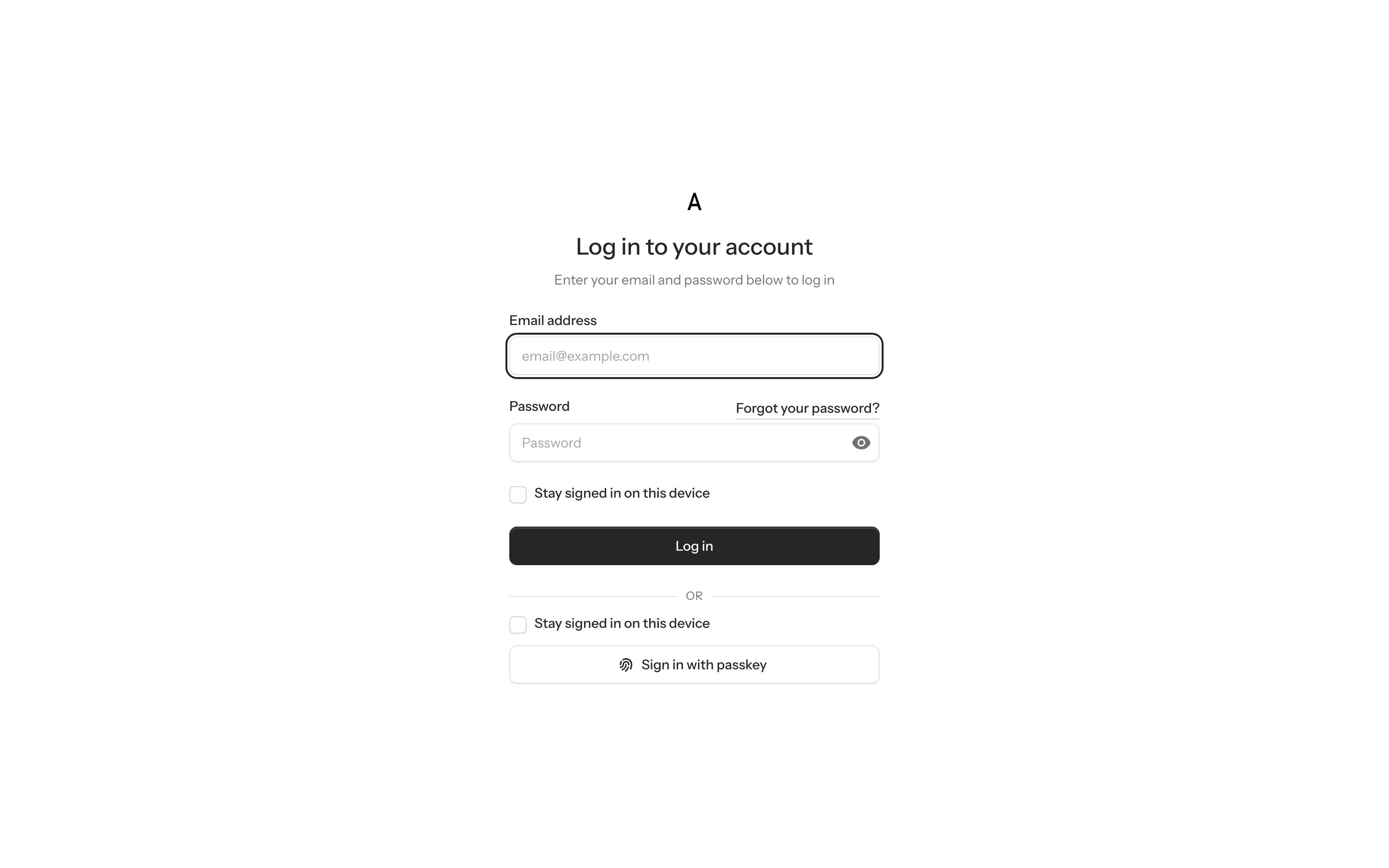
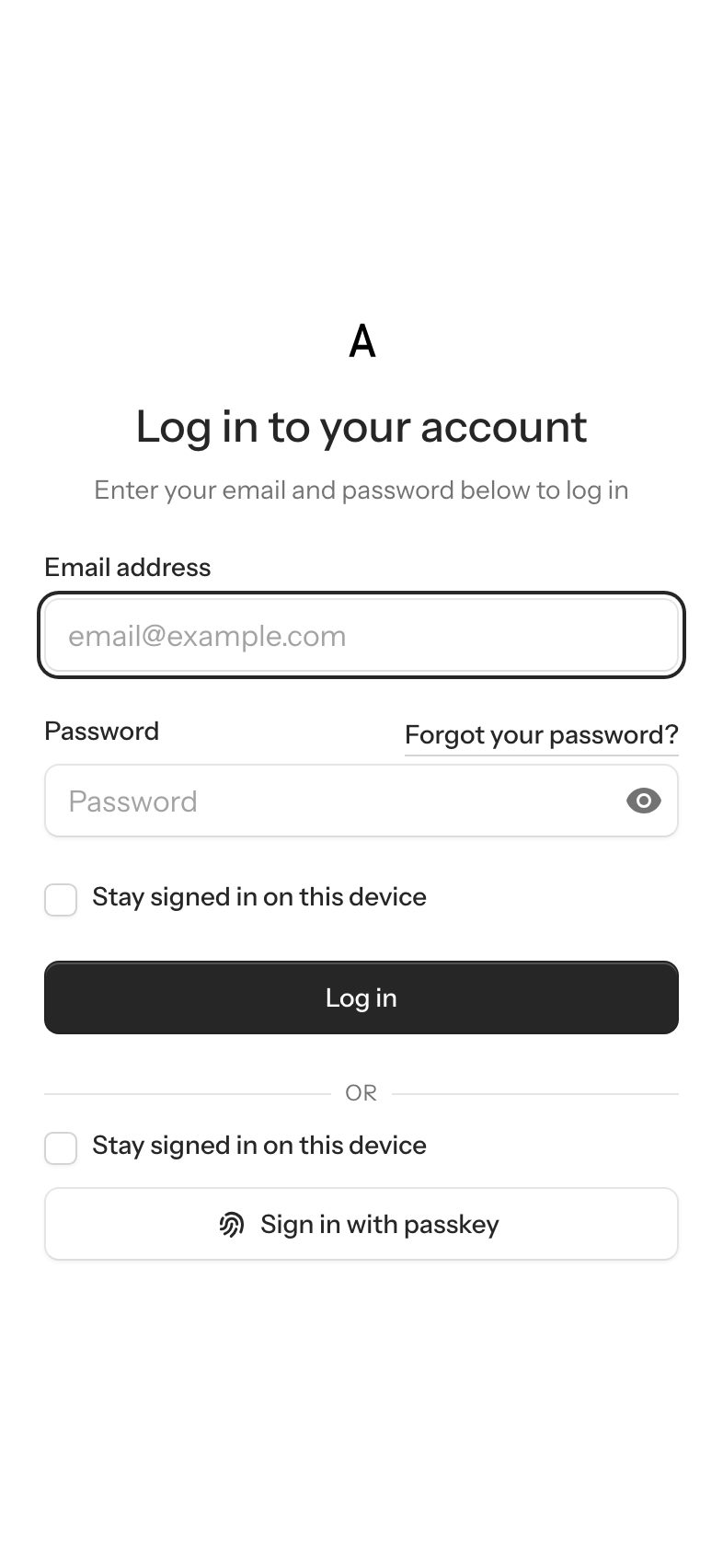
What sets the back office apart is that it runs the whole trade, not just the shop: B2B customers with their own orders and conditions, supplier orders with restock levels per warehouse, and stock keeping across locations. Back-in-stock alerts, customer reviews with opt-out, withdrawals and backups each have their own screen; sign-in is with passkeys. Shop and back office were built as one system from the first day, which is why a new business with a two-person team can run on them.
What it solved
- A whole business infrastructure before the first sale: shop, till, mail, bookkeeping and the connections between them, built from nothing in one go.
- A bespoke front end on a standard commerce backend, without giving up checkout, payments or the admin the team already knows.
- Two systems of record, shop and point of sale, reconciled into one without anybody re-typing an order.
- German bookkeeping rules inside a shop back office: locked documents, e-invoices, DATEV preparation.
- A sync that is safe to run again: every push is idempotent and every destructive step is an archive, not a delete.
Design
Up close.
Typefaces, palette and three details.
Typefaces
Helvetica Now Text
Everything, in one weight
Palette
- #000000
- #006dbc
- #0293fb
- #73c4ff
- #e6e6e6
- #ffffff
Screens
In use.
Built with
Shopify Hydrogen · React Router 7 · React · TypeScript · Tailwind CSS 4 · GraphQL · Shopify Storefront & Admin API · Sanity · Shopify Oxygen · Laravel 13 · PHP 8.4 · Livewire 4 · Flux · Redis & Horizon · MySQL 8 · Saloon · Locafox API · ZUGFeRD · DATEV · Mailgun · Passkeys